

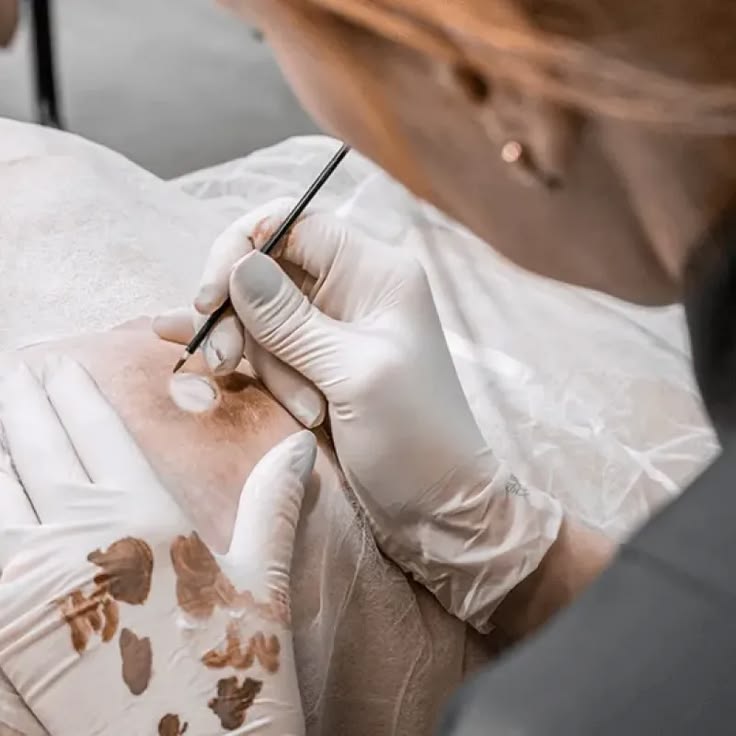
Proper aftercare is critical for any tattoo, but 3D realistic tattoos demand extra diligence during healing and beyond. Unlike traditional tattoos that rely on thick black outlines to lock shapes in place, 3D tattoos depend on subtle greywash transitions, detached drop shadows, micro-textures, and delicate white specular highlights to sustain their optical illusion. Any scabbing, pigment loss, or sun damage during recovery can flatten the tonal contrast that makes the 3d areola tattoos dallas artwork pop off the skin.
1. The First 48 Hours: Protecting Fresh Tonal Gradients
Right after your session, the skin is an open wound filled with carefully layered pigments at varying depths in the dermis.
-
Follow Bandage Instructions Strictly: If your artist applies a breathable, medical-grade adhesive film (such as Saniderm or Tegaderm), leave it on for the recommended window—typically 24 to 72 hours—unless fluid leaks out of the seal. This moist healing environment prevents heavy scabbing, which is the leading cause of pulled ink in delicate 3D shading.
-
Gentle Cleansing: Once unwrapped, wash the tattoo two to three times daily using lukewarm water and a mild, fragrance-free antimicrobial or liquid soap. Use clean fingertips only—never washcloths, loofahs, or abrasive sponges—and pat dry with a clean, disposable paper towel.
2. Days 3 to 14: Preventing Scabs and Preserving Micro-Details
As the epidermis regenerates, the tattoo will tighten, peel, and itch. Protecting subtle shadow gradients and white ink highlights during this phase preserves the 3D depth.
-
Apply Thin Layers of Breathable Moisturizer: After washing and drying, apply a pea-sized amount of fragrance-free lotion or specialized tattoo balm. Over-moisturizing suffocates pores, causes ink to leach out, and softens crisp edges, while letting the skin dry out completely triggers thick scabs that can pull out fine specular highlights.
-
Never Pick, Scratch, or Peel: Flaking skin may temporarily look dull or cloudy (known as the “silver skin” phase), masking the sharp contrast of the 3D illusion. Let flakes shed naturally; picking at peeling skin pulls pigment from the dermis and leaves patchy light spots inside smooth greywash shadows.
-
Wear Loose, Breathable Clothing: Tight fabrics or rough seams rubbing against a fresh 3D piece can abrade healing micro-textures. Choose soft, loose cotton clothing over the tattooed area during the first two weeks.
3. Weeks 3 to 6: Deep Dermal Settling
Even after surface peeling stops, the deeper layers of skin take four to six weeks to fully remodel and settle around the ink particles.
-
Avoid Soaking in Water: Skip swimming pools, hot tubs, baths, and saunas until the skin is completely sealed and smooth. Prolonged soaking swells the epidermis and compromises delicate shadow transitions.
-
Hold Off on Intense Friction or Heavy Sweating: During the first two weeks, avoid workouts that stretch or chafe the tattooed muscle group directly, as excessive sweat and friction can irritate healing tonal gradients.
4. Long-Term Maintenance: Keeping the 3D Illusion Sharp
Because 3D tattoos lack bold black borders to contain natural pigment diffusion over decades, long-term care directly determines how well the illusion holds up:
-
Strict UV Protection: Ultraviolet radiation is the primary enemy of 3D realism. Sunlight breaks down pigment particles, fading soft greywash drop shadows and turning bright white ink highlights into a dull yellowish tone. Once fully healed, apply broad-spectrum SPF 30 to SPF 50 sunscreen every time the tattoo is exposed to daylight.
-
Consistent Skin Hydration: Well-hydrated, exfoliated skin reflects light cleanly, keeping deep black shadow anchors rich and allowing subtle highlights to stand out clearly.
-
Schedule a Touch-Up If Needed: Because white specular highlights and ultra-light greywash shadows sit close to the skin’s surface, many 3D artists include a complimentary touch-up session after six to eight weeks to reinforce any highlights that healed lighter than intended.
